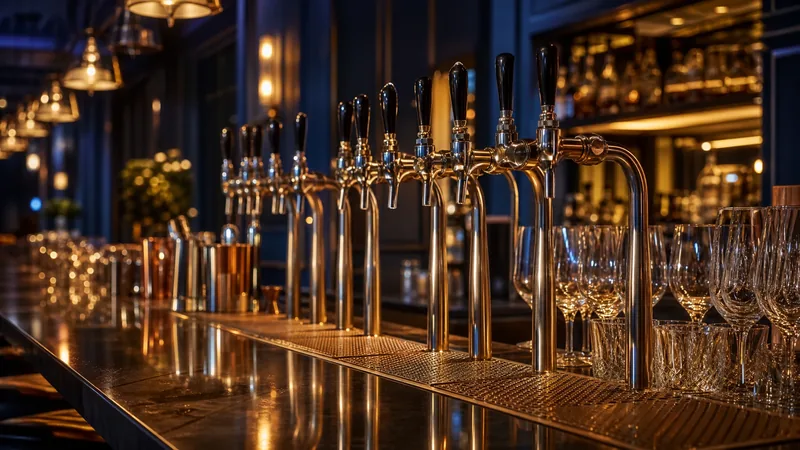
How to Start a Bar Business in Oregon
Last verified: November 16, 2026
Opening a bar in Oregon means working with the Oregon Liquor and Cannabis Commission (OLCC) from the start. Your liquor license, your local approval and your staff's service permits all need to be in place before you serve a drink. Getting the order right saves time and keeps your opening date on track.
This guide walks through the license types, fees and steps that apply to a bar that sells alcohol by the drink. It also covers the mistakes that tend to catch new owners off guard. Confirm current details with the agency named in each section before you commit money to a lease or build-out.
What You Need Before You Start
Gather these items before you file anything. Most of them feed into the OLCC application or the steps that follow.
- A business plan that describes your concept, target customers, startup budget and monthly operating costs
- A business name and a legal entity, such as an LLC or corporation
- A signed lease or purchase agreement for the premises where you will sell alcohol
- A floor plan that shows the bar area, seating, restrooms and service areas
- The OLCC Local Government Recommendation form, completed by your city or county
- Funds for the annual OLCC license fee for the license type you choose
- Alcohol service permits for every employee who will mix, serve or sell alcohol
- Quotes for general liability and liquor liability insurance
- A federal tax identification number and any state employer registrations that apply to you
Oregon Liquor License Types and Fees
OLCC issues several alcohol licenses. For a bar that serves drinks to customers on the premises, the Full On-Premises Sales license is the main option. The fee depends on the type of organization that holds the license, and a smaller license covers fewer types of drinks. Use the table below as a starting point, then confirm the amounts with OLCC before you budget.
| License type | Annual fee | What it covers |
|---|---|---|
| Full On-Premises Sales (commercial, caterer, for-profit club or other public location) | $800 | Beer, wine, cider and spirits by the drink |
| Full On-Premises Sales (nonprofit private club, or registered nonprofit or charitable organization) | $400 | Beer, wine, cider and spirits by the drink |
| Limited On-Premises Sales | $400 | Beer, wine and cider only |
| Brewery-Public House | $500, with a $1,000 minimum bond | Confirm coverage with OLCC |
| Off-Premises Sales | $200 | Confirm coverage with OLCC |
ORS 471.311 sets the Full On-Premises Sales fee at $800 a year for commercial locations. It sets $400 a year for a nonprofit private club, or for a registered nonprofit or charitable organization. Confirm which fee applies to your entity type before you file, and ask OLCC whether any bond applies to the license you request.
OLCC alcohol licenses are issued for one year and expire at 12 midnight on March 31, June 30, September 30 or December 31. Confirm which expiration date applies to your license when you apply. If your renewal application arrives less than 20 days before expiration, OLCC charges a renewal processing fee of 25% of the annual license fee. If it arrives after expiration but no more than 30 days later, the fee is 40%.
For context, OLCC counted 5,428 Full On-Premises Commercial licenses for 2025 in its May 21, 2026 licensing presentation.
Step-by-Step Guide to Opening Your Bar
Work through these steps in order. Some of them overlap, but the OLCC application needs your entity, your location and the local recommendation in place before you submit it.
Step 1: Choose Your License Type
Decide whether your bar will sell spirits, or only beer, wine and cider. A Full On-Premises Sales license covers beer, wine, cider and spirits by the drink. A Limited On-Premises Sales license covers beer, wine and cider only, and its annual fee is lower. Your menu and budget should drive this choice, because the license determines what you can pour.
Step 2: Form Your Business Entity
Choose a business structure, such as an LLC or corporation, and register it with the Oregon Secretary of State's Corporation Division. Check that your business name is available through the Oregon Business Registry. Have the entity in place before you apply, so the license holder and the legal business match. This guide does not cover the filing fee or the required forms, so confirm them with the Oregon Secretary of State before you file.
Step 3: Secure a Location and Check Local Requirements
Sign a lease or purchase agreement for a site that fits your bar concept and allows alcohol sales. Ask your city or county planning office whether zoning, occupancy and building permits fit your plans. OLCC investigations include the proposed business and local government approval, so a site that cannot win local approval will stall your application. Add a contingency to your lease that covers licensing and permit approval. If you plan to serve food, confirm the food service requirements with the Oregon Health Authority.
Step 4: Obtain the Local Government Recommendation
The OLCC Local Government Recommendation form is completed by your city or county, and it is part of your application. Request it early, because the local recommendation is part of the review. Bring your business name, your address and the license type you plan to request. Ask the office how long it expects the process to take, and confirm the timing with OLCC if it is unclear.
Step 5: File Your OLCC Application Online
OLCC processes all alcohol licensing online through its Cannabis and Alcohol Management Program (CAMP). Submit your application through CAMP with the local government recommendation attached. Keep copies of everything you send. If you need to check on your status later, use the OLCC Application Status Request form. Confirm the current application steps on the OLCC liquor licensing page before you file.
Step 6: Get Alcohol Service Permits for Your Staff
Servers and managers need OLCC alcohol service permits. A permit costs $23.00 and is good for 5 years. OLCC says managers who supervise employees who mix, serve or sell alcohol must also hold a service permit. Since March 31, 2025, temporary service permits are issued only after the applicant completes the application, payment, server education course and an OLCC-proctored test. Staff must finish all of these steps before they mix, sell or serve alcohol, so schedule training before your opening date. You can review the requirements on the OLCC service permits page.
Step 7: Register for Employer and Tax Obligations
Get a federal tax identification number from the Internal Revenue Service. If you will have employees, ask the Oregon Employment Department what employer registration requires. Confirm your workers' compensation coverage with the Workers' Compensation Division, and ask Paid Leave Oregon what your business must report. For state tax, the Oregon Department of Revenue sales tax page says Oregon does not have a general sales or use/transaction tax. This guide does not cover any other tax your bar may owe, so confirm those duties with the Oregon Department of Revenue.
Step 8: Plan Your Opening and Ongoing Compliance
Set up your point-of-sale system and cash handling, and train staff on your ID-checking and last-call policies. If you plan to offer hemp-derived beverages, review the Hemp-Derived Beverage Guidance on the OLCC liquor licensing page. That page says businesses offering these beverages are responsible for ensuring the products comply with all applicable laws and rules. Put your license expiration date on your calendar, and file your renewal well ahead of it so you can avoid the renewal processing fee.
Common Mistakes to Avoid
- Signing a lease before you confirm that the site can get local approval.
- Choosing a Limited On-Premises Sales license and then adding spirits to your menu. Spirits require a Full On-Premises Sales license.
- Letting staff mix, sell or serve alcohol before their service permits are in place.
- Assuming managers do not need service permits. OLCC says managers who supervise alcohol service employees must have one.
- Buying spirits from a source other than an OLCC retail sales agent. ORS 471.175(5) requires spirits to come from a liquor store that is an OLCC retail sales agent.
- Missing the renewal window, which can add a renewal processing fee.
- Applying before the entity is registered, which can leave the license holder and the legal business mismatched.
- Adding hemp-derived beverages without checking the rules. Your business is responsible for making sure those products comply with all applicable laws and rules.
Tips for a Smoother Launch
- Ask OLCC about your license type before you commit to a lease, so the site and the license match.
- Request the Local Government Recommendation form early, since the city or county needs time to complete it.
- Start service permit training for your staff well before opening day.
- Keep a folder with copies of your application, fee receipts and local approvals.
- Set reminders for your license expiration date and file early.
What to Expect After You Open
Once your license is issued and your staff hold service permits, you can begin serving customers. Your results will depend on your concept, location, pricing and local competition. A clear menu and well-trained staff may make it easier to build repeat customers, but no guide can promise a particular outcome. Plan your opening year around cash flow, because this guide does not cover financial projections.
Frequently Asked Questions
Which license do I need to serve spirits?
A Full On-Premises Sales license covers beer, wine, cider and spirits by the drink. A Limited On-Premises Sales license covers beer, wine and cider only. Under ORS 471.175(5), spirits must be bought from an OLCC retail sales agent, which is a liquor store.
Do my bartenders and managers need a permit?
Yes. Servers and managers need OLCC alcohol service permits. A permit costs $23.00 and is good for 5 years.
Does Oregon charge a general sales tax?
The Oregon Department of Revenue says Oregon does not have a general sales or use/transaction tax. This guide does not cover other taxes, so confirm your tax duties with the Oregon Department of Revenue.
Disclaimer
This article is informational content, not legal or tax advice. Liquor licensing, business formation and tax rules change, so confirm current requirements with the agencies named here, and consult an attorney or CPA before you make decisions about your business.
Sources
Keep exploring: related Oregon guides
- How to Start a Bakery Business in Oregon
- How to Start a Brewery Business in Oregon
- How to Start a Winery Business in Oregon
- How to Start a Catering Business in Oregon
- How to Start an LLC in Oregon
- Oregon Business License
- How Much Does It Cost to Start a Business in Oregon
- All Oregon business types
- Every Oregon guide in one place