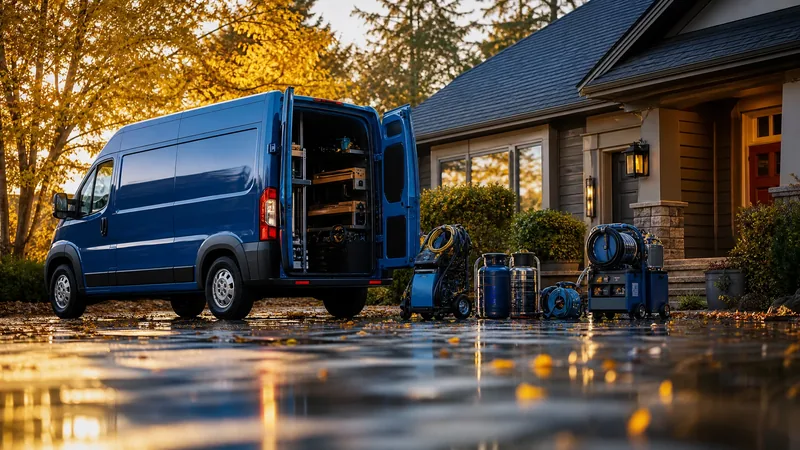
How to Start a Tree Service Business in Oregon
Last verified: November 16, 2026
Starting a tree service business in Oregon begins with one question: which state license does the work require? Tree removal, stump grinding, pruning for hire, and limb guying done by an independent contractor fall under the Construction Contractors Board (CCB) or the Landscape Contractors Board (LCB). Planting trees is different, because it requires an LCB license.
This guide walks through the licensing routes, the bond and insurance minimums, the fees, and the steps to get your business set up. It is written for people who want to start a tree service business and want the paperwork right the first time.
Know Which Tree Work Needs a License
Oregon law defines a contractor to include a person who works as an independent contractor to remove trees, prune trees, remove tree limbs or stumps, or guy tree limbs. That definition is in ORS 701.005(5)(e). It excludes landscape contracting businesses, nurserymen, gardeners, and commercial harvesters of forest products, so the license you need depends on the work you plan to sell.
Here is how the main categories break down:
- Removal, stump grinding, pruning for hire, and limb guying: a CCB license or an LCB license.
- Tree planting: an LCB license. A CCB license alone does not allow planting trees.
- Tree servicing: the CCB lists tree servicing among the work that requires a CCB license.
- Commercial timber harvest on forestland: Oregon Department of Forestry rules under ORS 527.670 apply, not CCB or LCB rules.
Many cities also require a permit to cut or remove trees, so check your city's rules before you bid a removal job.
Materials and Information You Need Before You Start
Gather these items before you apply anywhere. Several of them are needed on both licensing routes.
- Your business name and entity details, which you register through the Oregon Business Registry.
- Proof of your pre-license training and your exam result, if you apply through the CCB.
- An individual Landscape Construction Professional (LCP) application, if you apply through the LCB.
- A bond. The CCB uses its bond form, and the LCB route requires a surety bond or irrevocable letter of credit.
- A certificate of liability insurance, with the LCB as certificate holder if you take the LCB route.
- Workers compensation insurance, if your business has employees.
- A list of the tree work you plan to offer, so you can match each service to the right license.
- The tree permit rules for each city where you plan to work.
Steps to Start Your Tree Service Business in Oregon
Step 1: Choose Between the CCB and LCB Routes
Your first decision is which license fits the work you plan to sell. The CCB route is one option for removal, pruning, and stump work. The LCB route covers landscape construction, including installing trees, which is why planting requires it. The Landscape Contractors Board license requirements page lists the landscape work that requires an LCB license.
Many tree businesses compare both routes. The LCB says LCB licensees can perform tree work, including planting. CCB general contractor licensees can perform most tree work except planting, unless they also hold an LCB license.
Step 2: Meet the CCB Requirements
To get a CCB license, you must be at least 18 years old, complete at least 16 hours of pre-license training from an approved provider, and pass the Oregon exam. The person who passes the exam is the Responsible Managing Individual (RMI). The RMI must be an owner or employee who manages or supervises construction activities.
The exam has 80 multiple choice questions. A passing score is 70% (56 correct answers). It is open book with the reference manual, and it costs $60, paid directly to the exam provider.
The initial application fee is $400 beginning July 1, 2025. Renewal is $400 every two years. Review the Construction Contractors Board license page for the current application steps.
Step 3: Meet the LCB Requirements
An LCB landscape contracting business needs two credentials. The first is an individual Landscape Construction Professional (LCP) license. The second is a Landscape Contracting Business license. The business must be owned by or employ a licensed LCP who supervises all landscaping work.
If you are an ISA-certified arborist, the LCB also offers an Arborist phase of the individual license. Ask the LCB which phase fits your background before you apply.
The fees effective October 1, 2025 are listed on the Landscape Contractors Board fee changes page. The Landscape Contractors Board application page covers the application process.
Step 4: Get Bonded, Insured, and Covered for Workers
Both routes require a bond and liability insurance. For a CCB residential specialty license, the bond is $20,000, and the residential liability insurance minimum is $300,000 per occurrence. Workers compensation insurance is required if your business has employees.
For the LCB, a landscape contracting business must carry a $20,000 bond starting January 1, 2026. Probationary phase holders need a $15,000 bond instead. The business must also carry a certificate of liability insurance of at least $500,000, with the LCB as certificate holder. ORS 671.690 requires an LCB applicant to file a surety bond or irrevocable letter of credit in the amount of $20,000 with the State Landscape Contractors Board.
The Landscape Contractors Board insurance certificate page explains the certificate requirement. Get your bond and insurance quotes early, because the certificate has to match the license you apply for.
Step 5: Register Your Business Name
Registering a business name is a separate step from getting a license. The Oregon Secretary of State says registering a business name with the Corporation Division is not the same as getting a license. Licenses are issued at the state level by profession or industry, and by some cities and counties.
Register your business through the Oregon Business Registry. This guide does not cover the filing fee, so confirm the current amount with the Oregon Secretary of State Corporation Division before you file. The Oregon Secretary of State business FAQ answers common registration questions.
Step 6: Check City Tree Permit Rules
Many cities require a permit to cut or remove trees. Check the rules for each city where you plan to work before you bid. Confirm the local requirements with the city where the job is located, because this guide does not cover city-by-city permit steps.
Step 7: Understand the Maintenance Replacement Limit
If you run a landscape maintenance business, the LCB says you may replace trees only if you primarily perform maintenance on that property and the replacement value of all labor, materials, and other items does not exceed $500. If a job goes over that limit, plan on the planting work requiring an LCB license.
Step 8: Plan for Renewals and Continuing Education
Calendar your renewal dates as soon as your licenses issue. An LCB landscape contracting business license is valid for one year and must be renewed every year. The Landscape Contractors Board business license information page covers the business license details. CCB license renewal is $400 every two years.
For residential specialty and general license renewal, the CCB page lists 3 hours of CCB laws, regulations, and business practices plus 5 hours of other approved courses if you have been licensed by the CCB six or more years. If you have been licensed less than six years, the CCB page lists 13 hours of other approved courses. Check the Construction Contractors Board continuing education page for the requirements that match your license.
Fees at a Glance
The LCB fees below are effective October 1, 2025. Each fee is listed on its own line because each one applies to a different application or license.
| Item | Amount | Agency |
|---|---|---|
| CCB initial license application | $400, beginning July 1, 2025 | Construction Contractors Board |
| CCB license renewal | $400 every two years | Construction Contractors Board |
| CCB exam | $60, paid to the exam provider | Construction Contractors Board |
| LCB business application | $285 | Landscape Contractors Board |
| LCB business initial license | $375 | Landscape Contractors Board |
| LCB business renewal | $375 every year | Landscape Contractors Board |
| LCB individual application | $200 | Landscape Contractors Board |
| LCB individual initial license | $200 | Landscape Contractors Board |
| LCB late fee | $85 | Landscape Contractors Board |
Taxes and Business Purchases
The Oregon Department of Revenue states that Oregon does not have a general sales or use/transaction tax. Oregon does have a vehicle use tax that applies to new vehicles purchased outside of the state, so check that rule before you buy a new truck from out of state. The Oregon Department of Revenue sales tax page has the details.
For wholesale purchases, the Oregon Secretary of State says the state does not assign resale numbers or a reseller's permit. Your business registry number is used to buy wholesale. The Oregon Secretary of State business FAQ explains this further.
Common Mistakes to Avoid
- Bidding planting work on a CCB license alone. Planting requires an LCB license.
- Taking removal or stump jobs before your license is issued.
- Treating a business name registration as a license. The Oregon Secretary of State says they are different.
- Assuming a state license covers city tree permits.
- Replacing trees on a maintenance account above the $500 limit.
- Missing renewals. LCB business licenses renew every year, and CCB licenses renew every two years.
- Hiring employees without workers compensation coverage.
Warning: Under ORS 701.992, a person who violates ORS chapter 701 or a Construction Contractors Board rule may be assessed a civil penalty of not more than $5,000 for each offense.
Expected Results
With the correct license and bond in place, you can bid the tree work that license covers. Removal, pruning, and stump work fall under the CCB or LCB license. Planting falls under the LCB license only. Whether that leads to steady work depends on your local market, your competition, and how you run the business. This guide does not cover those factors.
Tips for Staying Compliant
- Match each job type to the license you hold before you bid.
- Keep your bond and certificate of liability insurance current.
- Track the $500 replacement limit on every maintenance account.
- Keep renewal dates on a calendar, and set reminders well before each date.
- Contact the CCB or LCB directly when a job falls between license types.
What This Guide Does Not Cover
This guide does not cover city-by-city tree permit fees or steps, local business taxes, equipment costs, or insurance for vehicles and tools. Confirm those with the city, county, or agency that issues them. Commercial timber harvest on forestland follows Oregon Department of Forestry rules under ORS 527.670.
Frequently Asked Questions
Do I need a license to remove trees in Oregon?
Yes, if you work as an independent contractor removing trees, pruning trees, removing limbs or stumps, or guying limbs. A CCB license or an LCB license covers removal, stump grinding, pruning for hire, and limb guying.
Can I plant trees with only a CCB license?
No. A CCB license alone does not allow planting trees. Planting requires an LCB license.
Does registering a business name count as a license?
No. The Oregon Secretary of State says registering a business name is not the same as getting a license.
Do I have to renew my license every year?
It depends on the license. An LCB landscape contracting business license is valid for one year and must be renewed every year. The CCB license renews for $400 every two years.
Disclaimer
This content is for information only. It is not legal or tax advice. Consult an attorney or CPA before you make licensing, bonding, insurance, or tax decisions for your business.
Sources
- Construction Contractors Board license page
- Construction Contractors Board continuing education page
- Oregon Legislature, ORS chapter 701
- Landscape Contractors Board license requirements page
- Landscape Contractors Board application page
- Landscape Contractors Board fee changes page
- Landscape Contractors Board business license information page
- Landscape Contractors Board insurance certificate page
- Oregon Department of Revenue sales tax page
- Oregon Secretary of State business FAQ
- ORS 671.690, ORS 527.670, and the Landscape Contractors Board tree-work FAQ (cited by name; no link provided)
Keep exploring: related Oregon guides
- How to Start a Nursery Christmas Tree Business in Oregon
- How to Start a Farm Stand Business in Oregon
- Oregon Landscaping License
- How to Start a Hemp Farm Business in Oregon
- How to Start an LLC in Oregon
- Oregon Business License
- How Much Does It Cost to Start a Business in Oregon
- All Oregon business types
- Every Oregon guide in one place